The checks to make before you ask for quotes.
The short answer
Most homes can take a stair lift, as long as there is room to get on and off at the top and bottom. An elevator needs a footprint on every floor: Fixr says about 3 by 4 feet is usually enough for one wheelchair user in a small pneumatic elevator, and that building codes in most areas limit a residential cab to 18 square feet or less. Condos also need association approval.
Last updated
Will a stair lift fit my stairs?
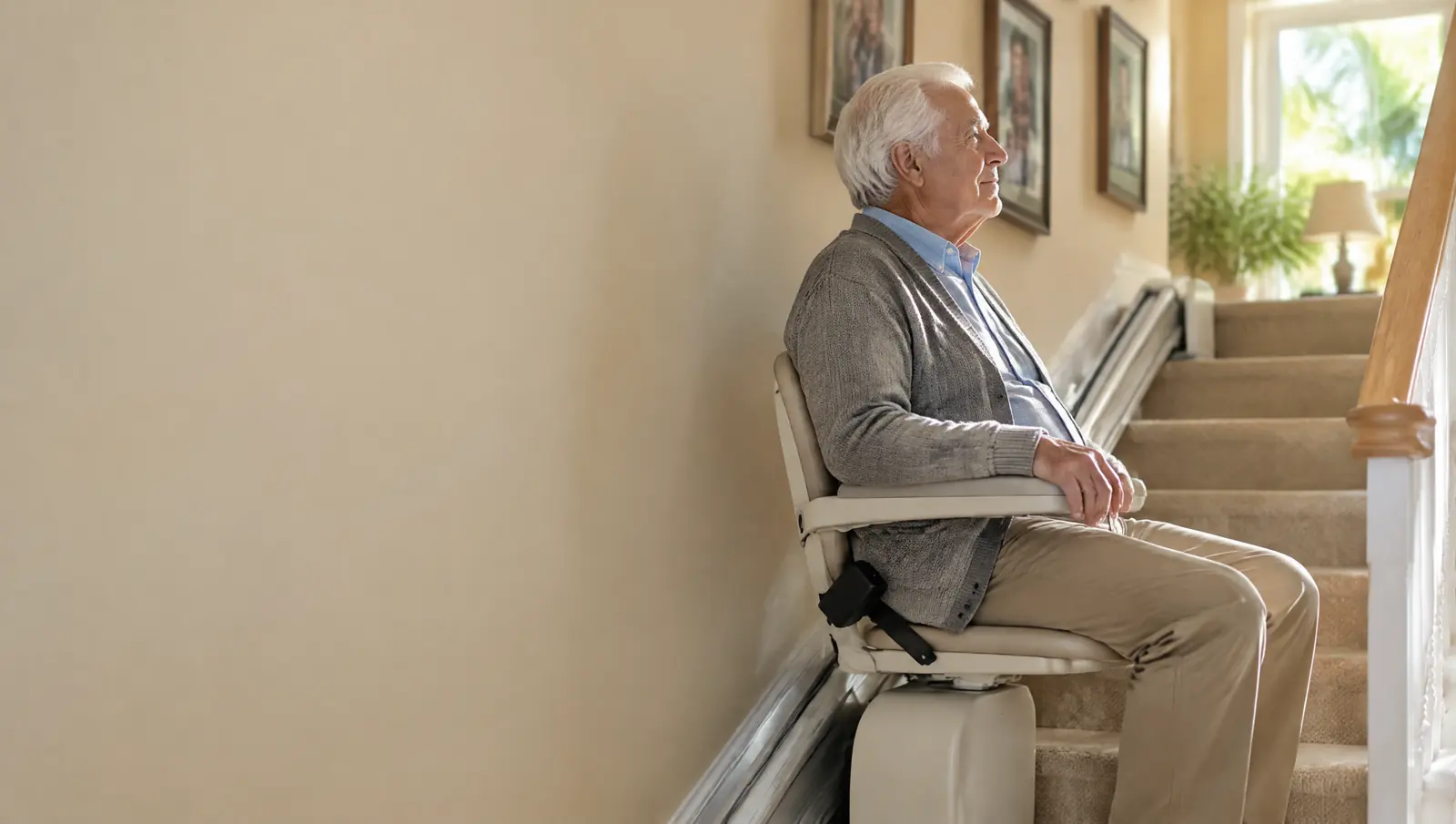
- A clear landing at the top and bottom to get on and off safely
- A power point near the top or bottom for the charger
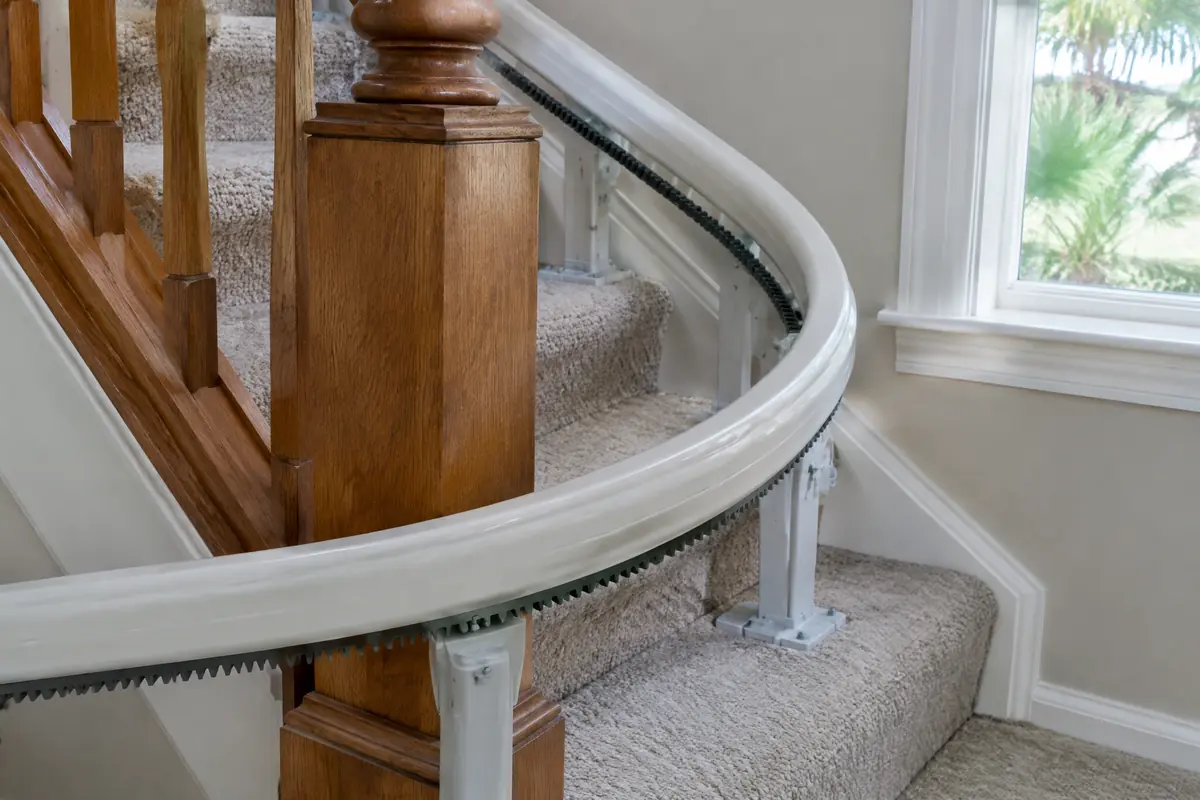
- Straight stairs for a standard rail; any turn or mid-landing means a curved lift
- Enough width for the folded seat and for others to pass; perch seats suit narrow stairs
Fixr notes most lifts fix to the staircase wall side and some fix directly to the treads, so tiled or concrete stairs are not usually a barrier.[2]
How much space does a home elevator need?
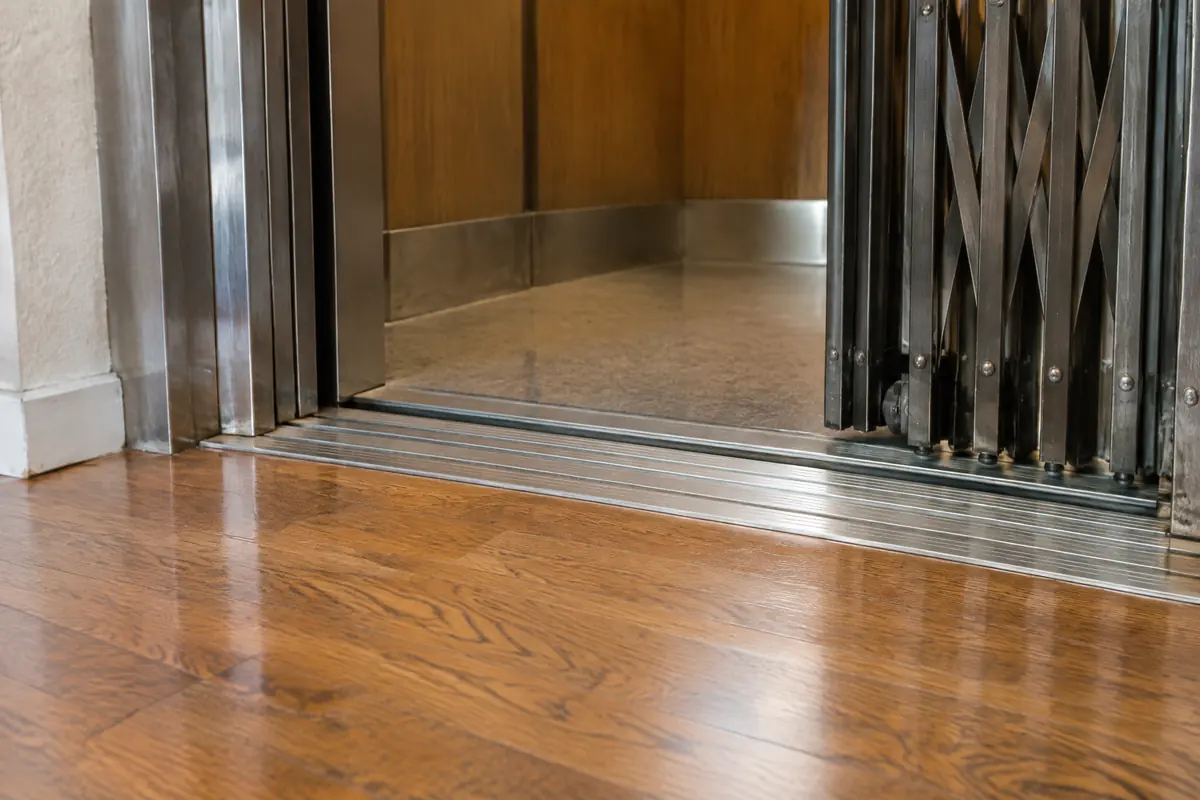
A pneumatic elevator for one wheelchair user needs about 3 by 4 feet on each floor, and most residential cabs are limited to 18 square feet or less, according to Fixr. Hydraulic and traction elevators also need a shaft and somewhere for the machinery.[1]
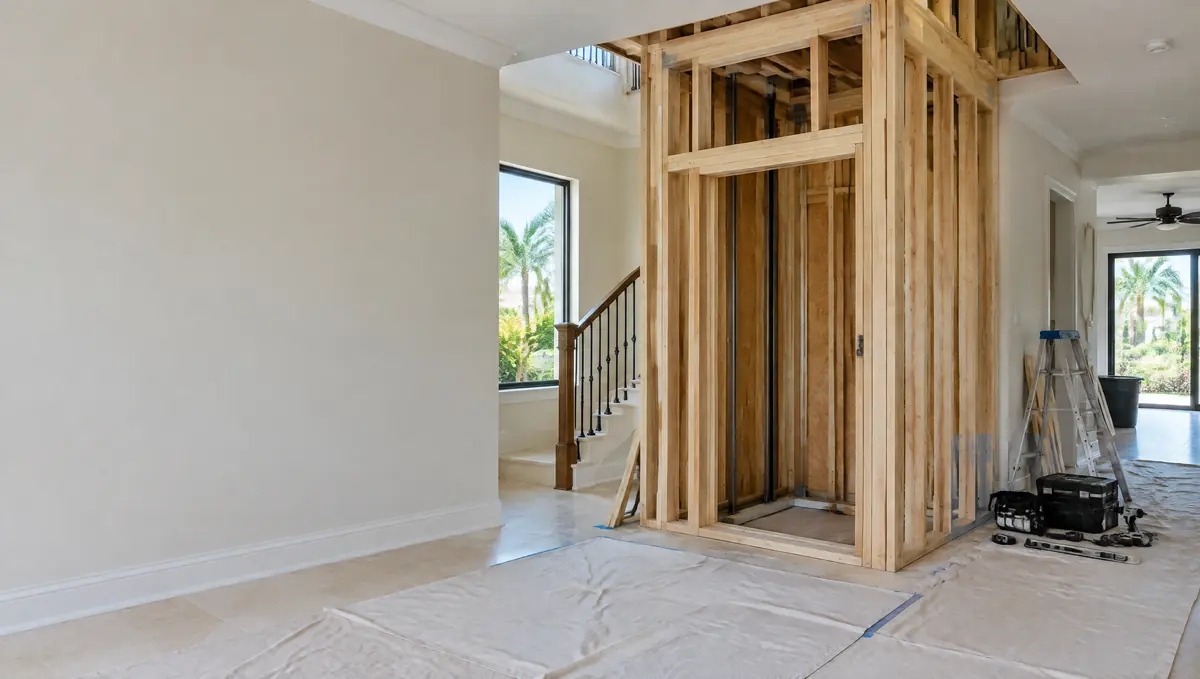
Where could an elevator go?
- Stacked closets on each floor
- The open space beside or above a staircase
- The corner of a large room, for a pneumatic or through-floor lift
- An outside wall, with a tower added
Condos and townhouses
Florida law treats a separate apartment occupied by one family as a private residence, so a lift inside your own unit is a private residence lift. Anything serving shared areas is not. Either way, get the association's written approval before you sign a quote.[3]
Flood zone and power
Check your flood zone on FEMA's Flood Map Service Center. FEMA says elevators whose cab could descend below the base flood elevation need a float switch or equal system, and controls and pumps should sit above that level when possible.[5][4]
What this means for you
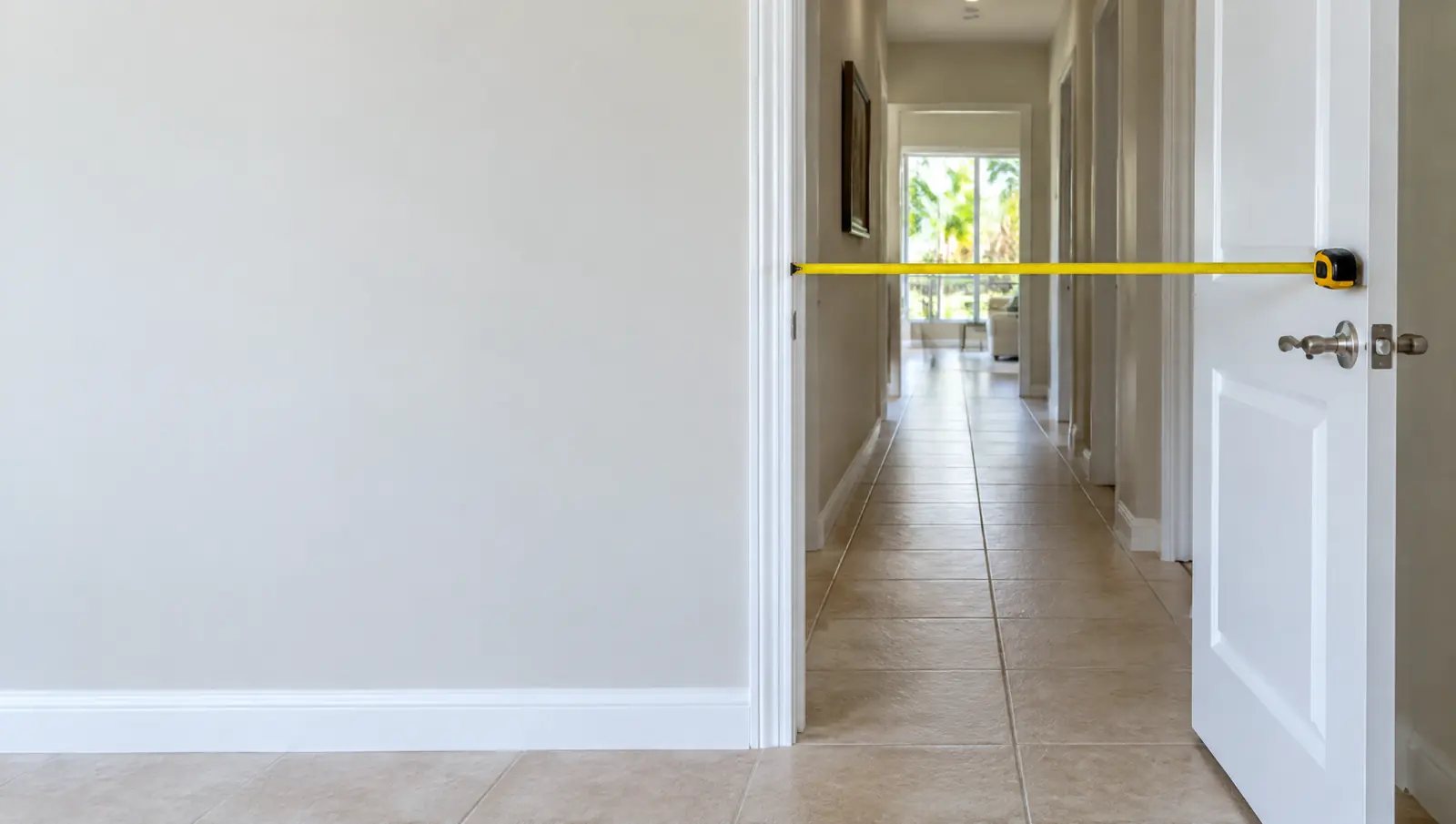
Measure the stairs or the footprint, note where the power is, check your flood zone and, in a condo, ask the association first. Then book a free visit and we will confirm the fit.
Frequently asked questions
How small can a home elevator be?
Small pneumatic models fit in about 3 by 4 feet for one wheelchair user, according to Fixr. Through-floor lifts can be similar.
Can a stair lift go on any stairs?
Most stairs, straight or curved, can take a stair lift. Very narrow or steep stairs may need a perch seat, and there must be safe space to get on and off.
Do I need my HOA's permission?
In a condo or HOA, usually yes for anything structural or outside. Get it in writing before you order.
Sources
- Home Elevator Cost (national cost guide, updated 31 Jan 2025), Fixr. Accessed October 28, 2026.
- Stairlift Installation Cost (national cost guide, updated 31 Jan 2025), Fixr. Accessed October 28, 2026.
- Florida Statutes Chapter 399, Elevator Safety, Florida Legislature. Accessed October 28, 2026.
- NFIP Technical Bulletin 4: Elevator Installation for Buildings Located in Special Flood Hazard Areas (June 2019), FEMA. Accessed October 28, 2026.
- FEMA Flood Map Service Center, FEMA. Accessed October 28, 2026.
Get a free quote
Tell us about the home and who the lift is for, and we will call you back to arrange a free visit.
Find a pro in your area
Enter your ZIP code and we will open the quote form for you. It takes about a minute.