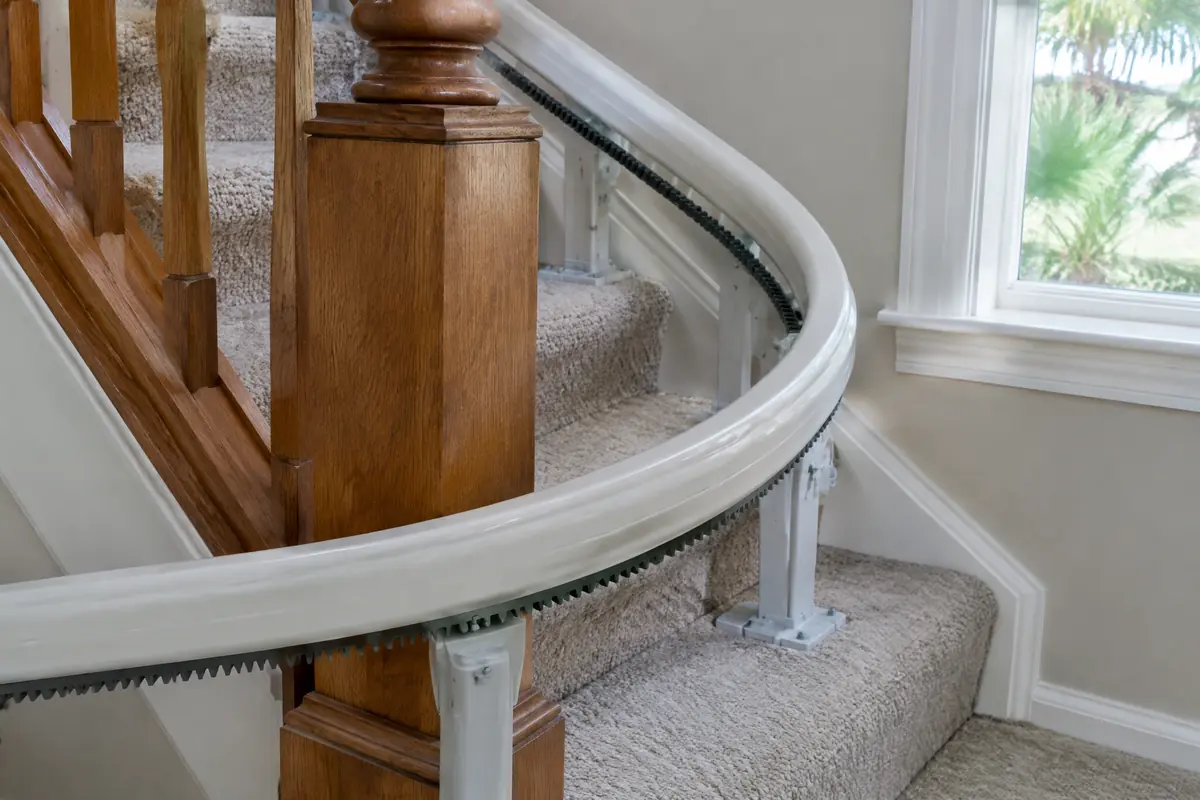

A stair lift, porch lift or home elevator installed mainly for medical care can count as a medical expense under IRS Publication 502, but you can only deduct total medical expenses above 7.5% of your adjusted gross income, and only if you itemize on Schedule A. For elevators, the IRS says they generally add value to a house, and any increase in value is subtracted from the cost.
Please read
General information only, not medical, legal or financial advice. Programme rules and amounts change. Check with the programme itself before you rely on anything here, and never assume you qualify until the programme tells you so.
Can a home lift count as a medical expense?
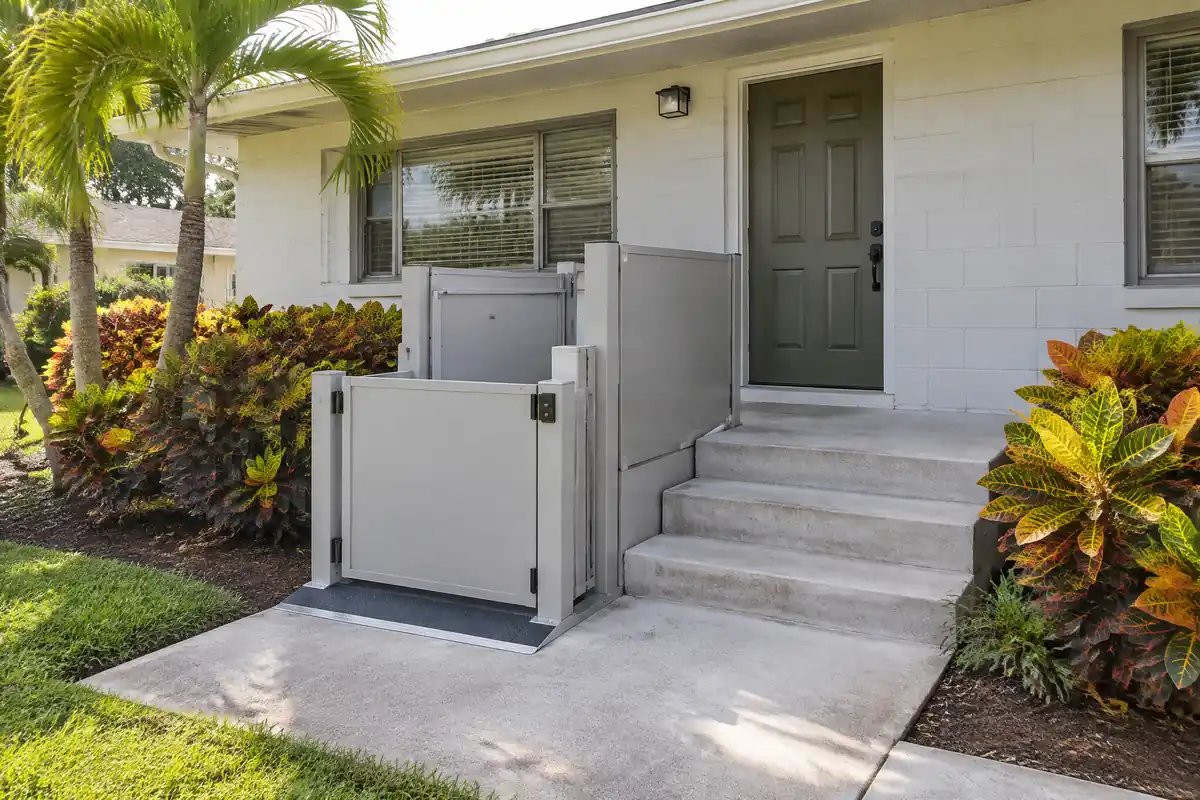
Yes, if its main purpose is medical care. IRS Publication 502 says you can include amounts you pay for special equipment installed in a home, or for improvements, if their main purpose is medical care for you, your spouse or your dependent.[1] Its list of home changes that usually do not increase a home's value includes installing porch lifts and other forms of lifts, with the note "but elevators generally add value to the house".[1]
How much can you actually deduct?
You can deduct on Schedule A only the part of your medical and dental expenses that is more than 7.5% of your adjusted gross income.[1] So a lift helps only if, together with your other medical costs, it takes you over that threshold, and only if you itemize.
How does the value test work for an elevator?
Publication 502 explains that the cost of a permanent improvement is reduced by the increase in the value of your property, and the difference is the medical expense. If the improvement does not increase the value, the whole cost counts.[1] Because elevators generally add value, you would subtract that increase, usually based on an appraisal.
| Item | How it is treated |
|---|---|
| Stair lift or porch lift for medical care | Usually counts in full as a medical expense |
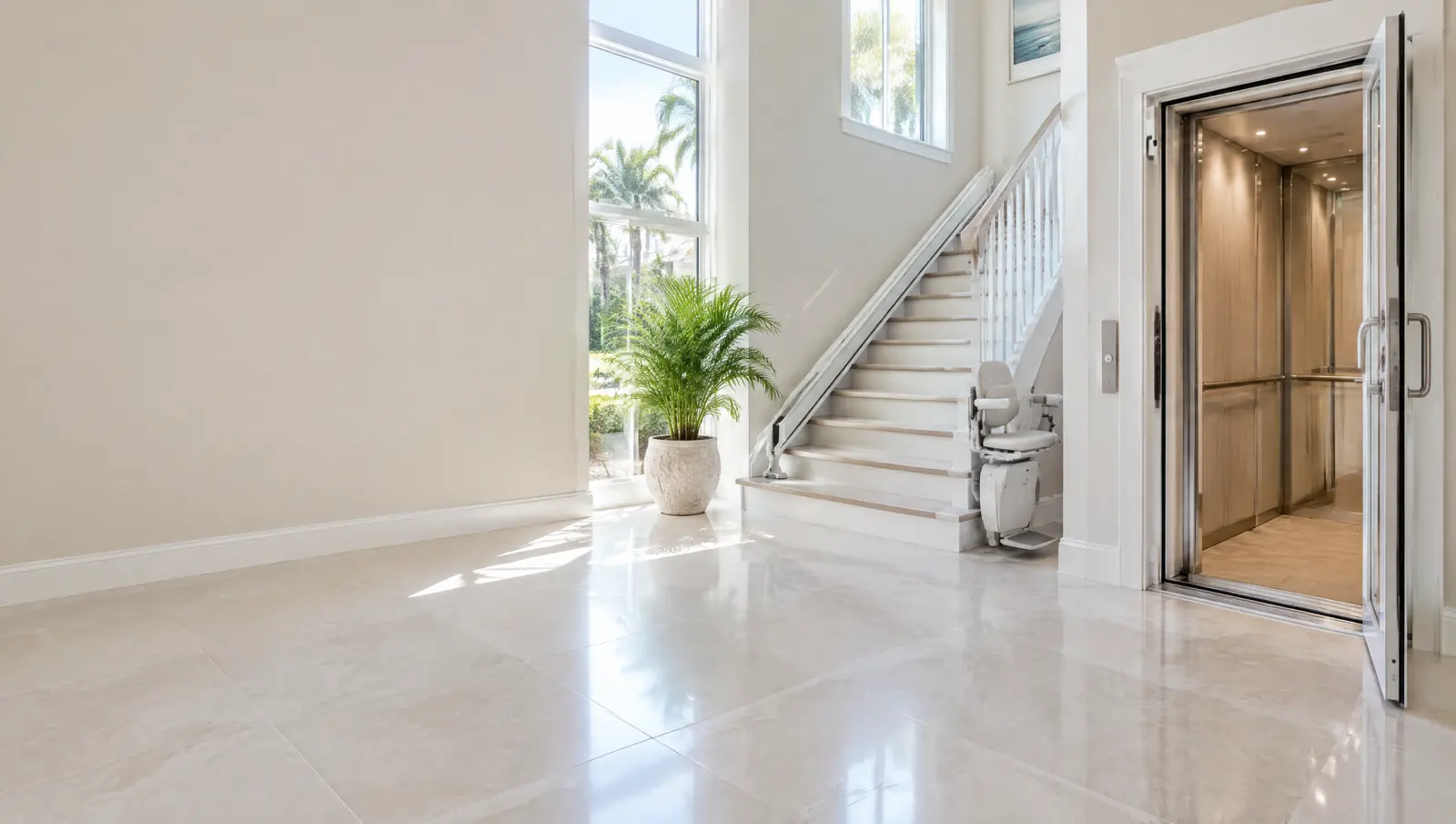
| Home elevator for medical care | Cost minus any increase in home value |
| Operation and upkeep | Counts if the main reason is medical care |
| Total medical expenses | Deductible only above 7.5% of AGI |
Can upkeep count too?
Yes. Publication 502 says amounts you pay for operation and upkeep of a capital asset qualify as medical expenses as long as the main reason for them is medical care, even if none or only part of the original cost qualified.[1]
What this means for you
Keep the quote, invoice, any doctor's note and, for an elevator, an appraisal of the home before and after. Then ask a tax professional how the rules apply to your return.
Find a pro in your area
Enter your ZIP code and we will open the quote form for you. It takes about a minute.
Frequently asked questions
Is a stair lift tax deductible?
It can count as a medical expense if its main purpose is medical care. Only the part of your total medical expenses above 7.5% of adjusted gross income is deductible, on Schedule A.
Is a home elevator tax deductible?
Partly, at most. The IRS says elevators generally add value to a house, and the cost is reduced by that increase in value before it counts as a medical expense.
Can I deduct service and electricity for a lift?
Publication 502 says operation and upkeep of a capital asset qualify as medical expenses as long as the main reason for them is medical care.
Sources
- Publication 502 (2025), Medical and Dental Expenses, Internal Revenue Service. Accessed October 28, 2026.