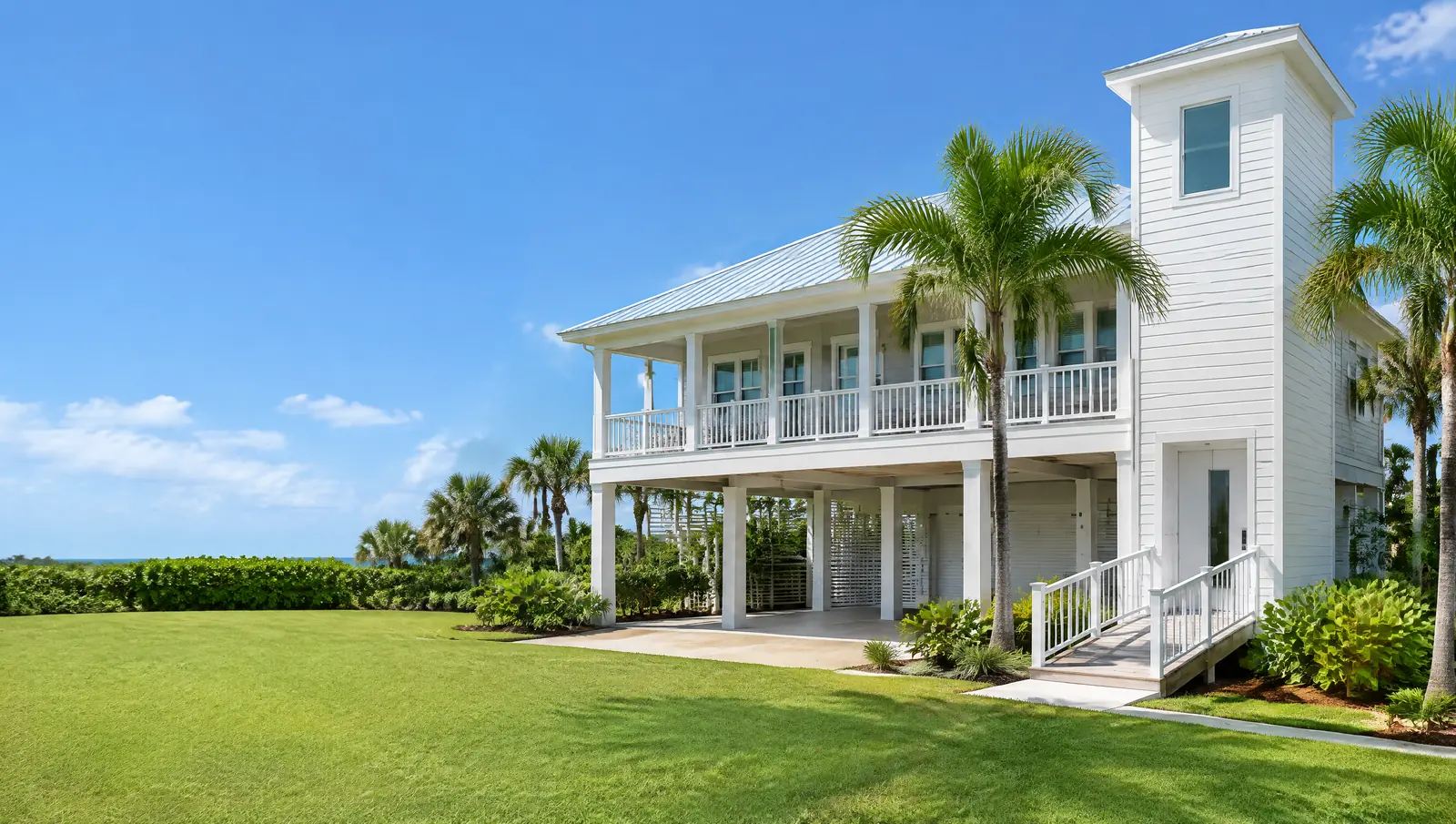
FEMA says a float switch, or another system that gives the same level of safety, is required under ASME A17.1 for any elevator whose cab could descend below the base flood elevation during a flood, and that controls and hydraulic pumps should sit above that level when possible. In Miami-Dade and Broward, outdoor towers and enclosures must also meet High Velocity Hurricane Zone rules.
Why does flooding matter for a home elevator?
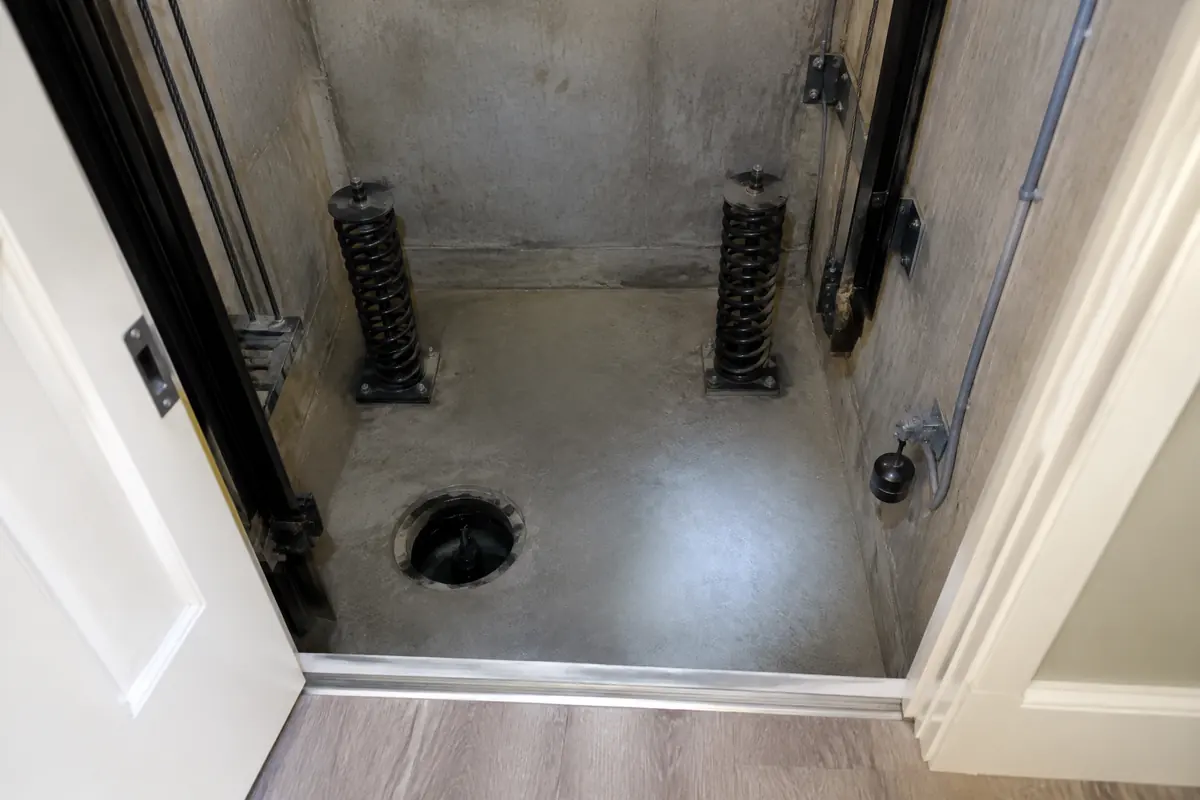
The lowest landing and the pit are the first places water reaches. FEMA explains that most elevator control systems automatically stop cabs when power is lost, which can leave a cab below the base flood elevation (BFE) and exposed to floodwater.[1] Floodwater can damage the cab, the controls and, on hydraulic elevators, the pump and tank.
What does FEMA say about float switches?
FEMA's Technical Bulletin 4 says: a float switch system or another system that provides the same level of safety is required, per ASME A17.1, for all elevators where there is a potential for the elevator cab to descend below the BFE during flood conditions.[1] A float switch detects water in the shaft and prevents the cab descending into it. If an elevator serves areas that may flood, FEMA says it should send the cab to a floor above the BFE when flooding is detected.[1]
Where should elevator equipment go?
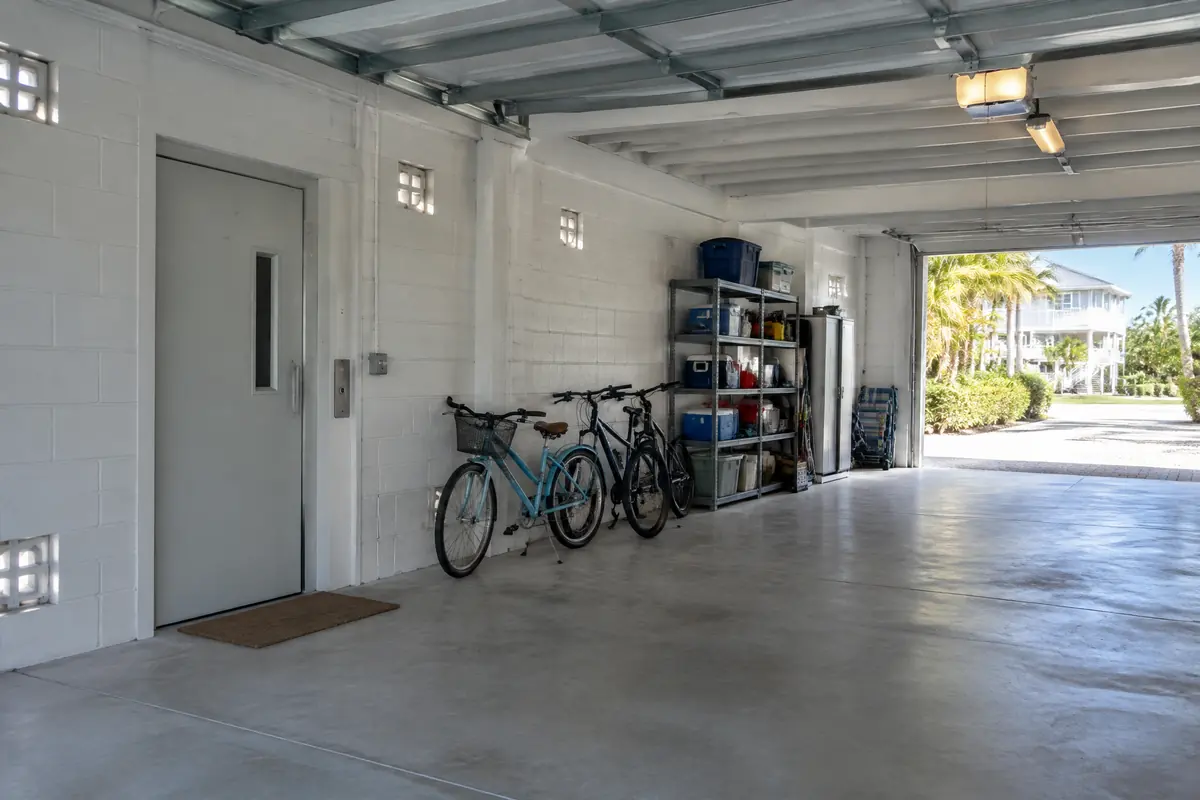
FEMA says elevator equipment such as electrical controls and hydraulic pumps should be located above the BFE when possible.[1] Components that must sit below it should be made of flood damage-resistant materials.[1] For flood-prone sites FEMA suggests exploring holeless hydraulic elevators, typically used in buildings of two or three floors.[1]
What about battery lowering in a power cut?
FEMA notes that some hydraulic elevators without emergency power use a battery descent feature: when power is lost, the car descends to the lowest landing. If that feature is used, a float switch should be integrated into the controller so the car cannot descend into floodwater.[1] Ask your installer how your model behaves when the power goes out.
Do stair lifts and platform lifts need flood planning too?
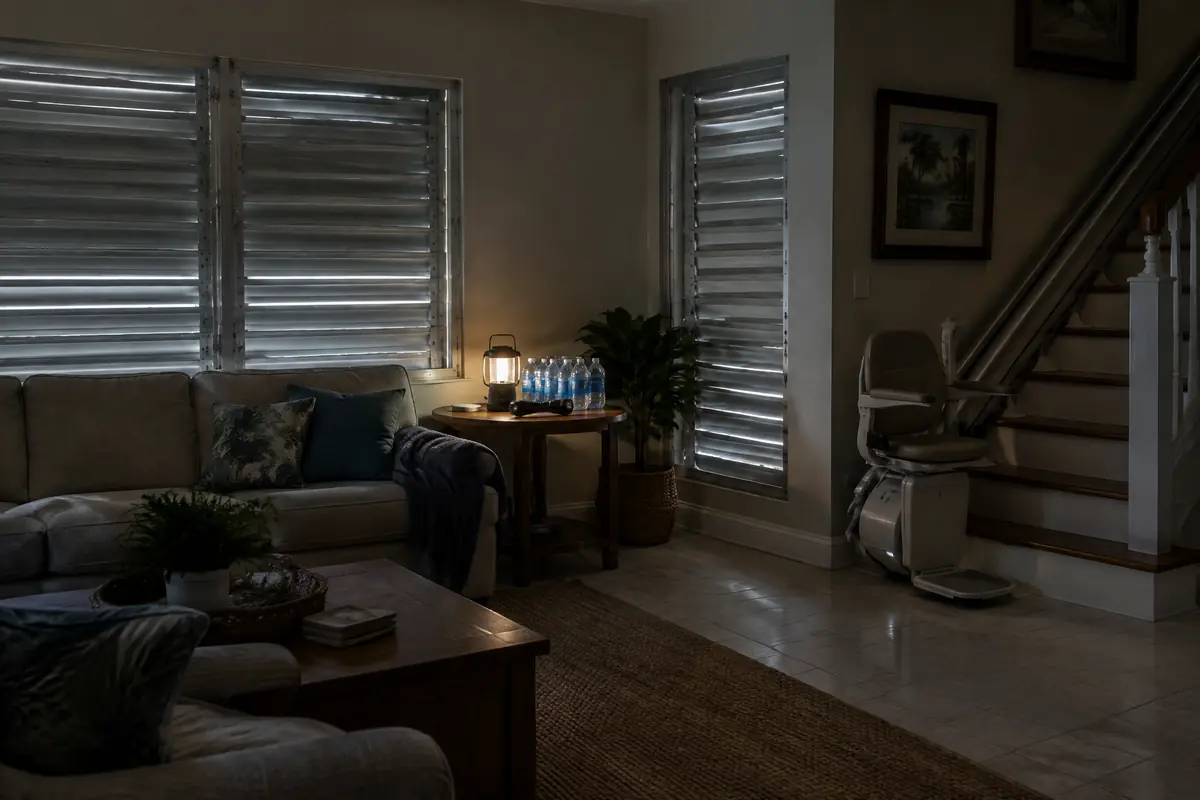
FEMA says pneumatic elevators, chairlifts and platform lifts are usually inside buildings where their components can sit above the BFE, but platform lifts installed outdoors make that harder and are more exposed to flood damage.[1] Stair lifts come with a back-up battery, so a charged lift keeps working for a number of trips in a short power cut.[6]
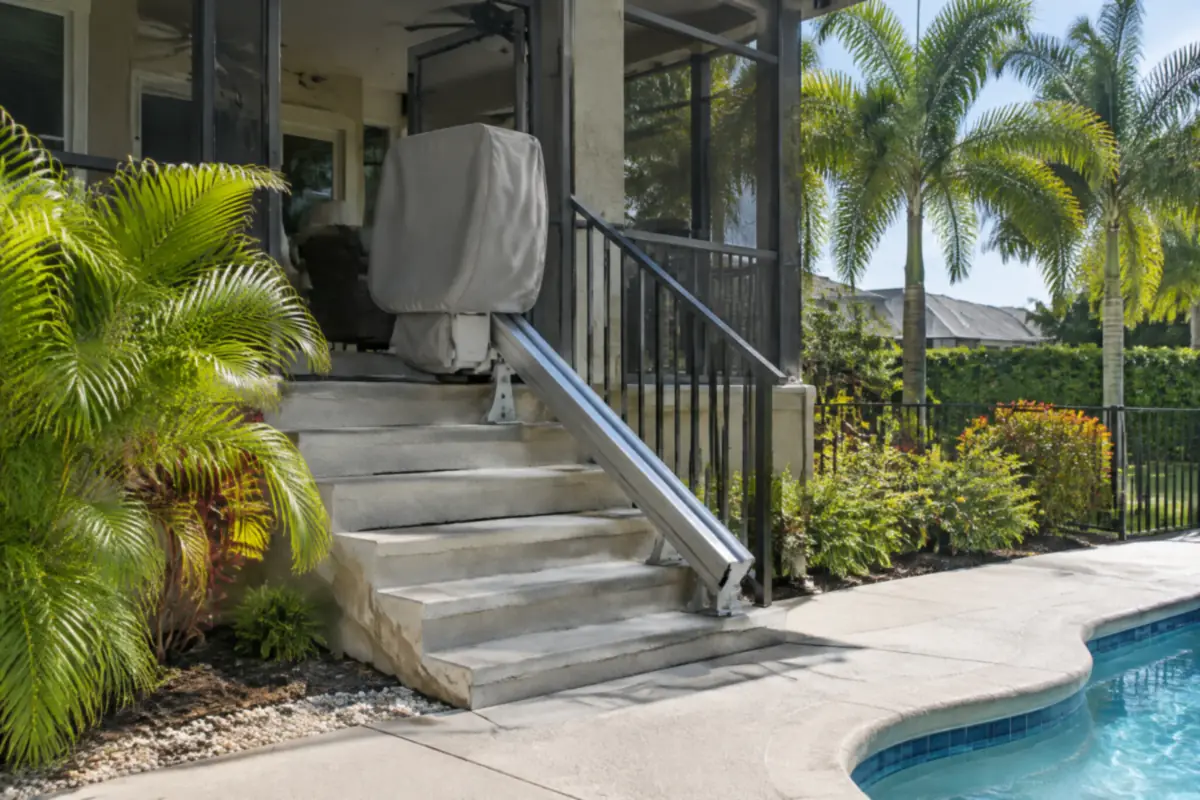
What does the High Velocity Hurricane Zone change?
Every Florida county except Miami-Dade and Broward is a non-HVHZ area under the Florida Building Code, so homes in Miami-Dade and Broward are in the High Velocity Hurricane Zone.[2] Outdoor elevator towers, platform lift enclosures, doors and glazing there must use products approved for those conditions.
| Check | Why |
|---|---|
| Float switch where the cab could go below the BFE | Required under ASME A17.1, according to FEMA |
| Controls and pumps above the BFE | FEMA recommends it when possible |
| Float switch tied into battery descent | Stops the car lowering into water |
| HVHZ-approved enclosure (Miami-Dade, Broward) | Florida Building Code product rules |
| Charged stair lift battery | Keeps working in a short power cut |
Where can you check your own risk?
- Flood zone: FEMA's Flood Map Service Center.[3]
- Evacuation zone: Florida's Know Your Zone.[4]
- If someone in the home has a disability, Florida's Division of Emergency Management encourages planning ahead and offers a Special Needs Registry.[5]
What this means for you
Before you choose a model, look up the flood zone, decide which floor the elevator parks on in a storm, and ask the installer to show where the float switch and controls will go.
Find a pro in your area
Enter your ZIP code and we will open the quote form for you. It takes about a minute.
Frequently asked questions
What is a float switch on an elevator?
A sensor in the shaft or pit that detects rising water and stops the cab from descending into it, or sends it to a floor above the flood level. FEMA says one is required under ASME A17.1 where the cab could descend below the base flood elevation.
What happens to a home elevator in a power cut?
Many elevators stop. FEMA notes some hydraulic elevators have a battery descent feature that lowers the car to the lowest landing, which is why a float switch must be built into the controller where that landing can flood.
Should I use my home elevator during a hurricane?
Avoid using it once the storm arrives or if water is rising. Park it on an upper floor beforehand and follow the maker's storm guidance.
How do I find my flood zone?
Search your address on FEMA's Flood Map Service Center, and check your evacuation zone on Florida's Know Your Zone page.
Sources
- NFIP Technical Bulletin 4: Elevator Installation for Buildings Located in Special Flood Hazard Areas (June 2019), FEMA. Accessed October 28, 2026.
- Product Control brochure: Ensuring Strict Standards for Construction Materials, Miami-Dade County. Accessed October 27, 2026.
- FEMA Flood Map Service Center, FEMA. Accessed October 28, 2026.
- Know Your Zone, Know Your Home, Florida Division of Emergency Management. Accessed October 28, 2026.
- Access and Functional Needs Planning (Florida Special Needs Registry), Florida Division of Emergency Management. Accessed October 28, 2026.
- Stairlift Installation Cost (national cost guide, updated 31 Jan 2025), Fixr. Accessed October 28, 2026.